
Exploring Shapes
Fascinate your child with basic geometric shapes to powerfully enhance spatial awareness and visual recognition.
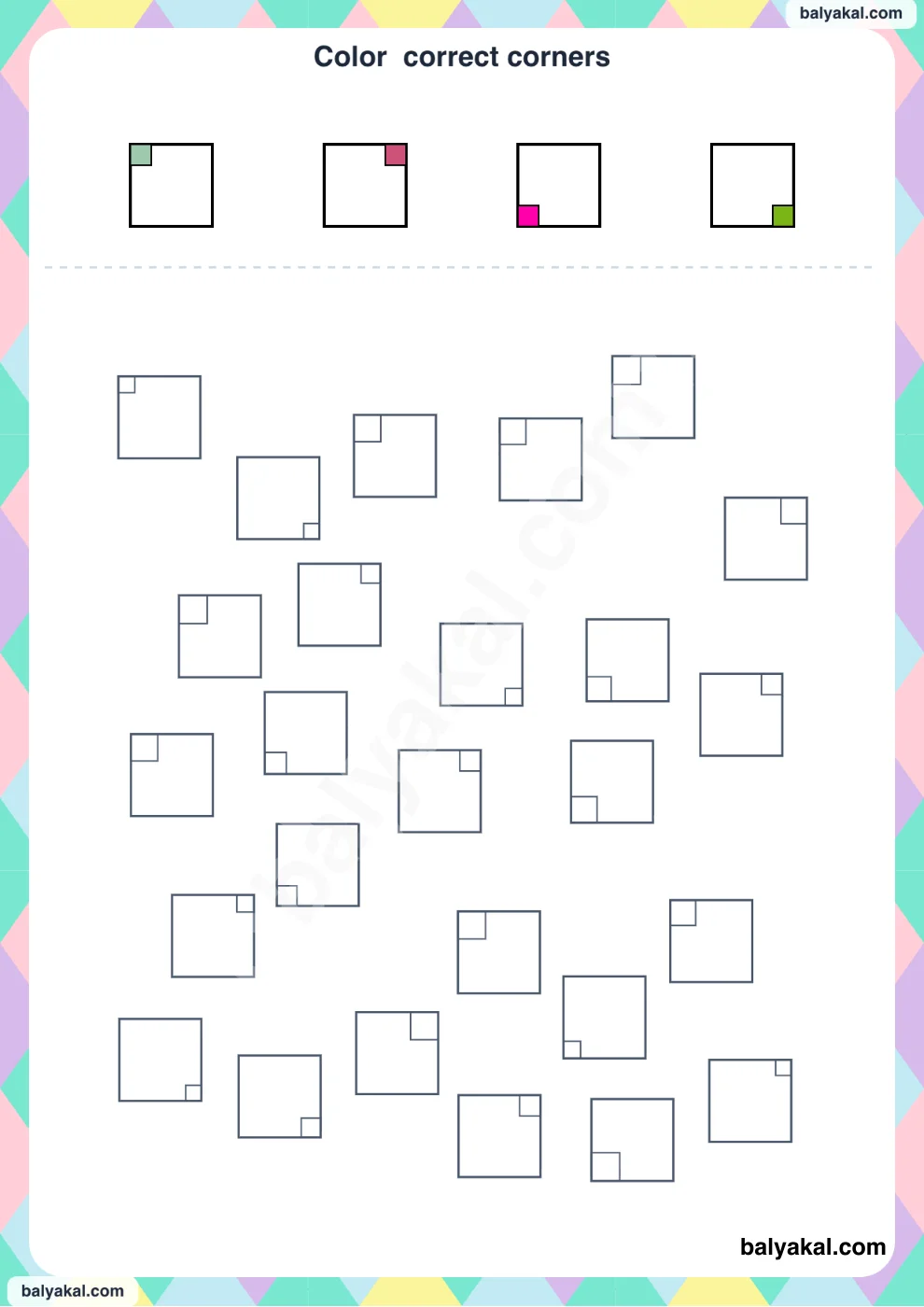
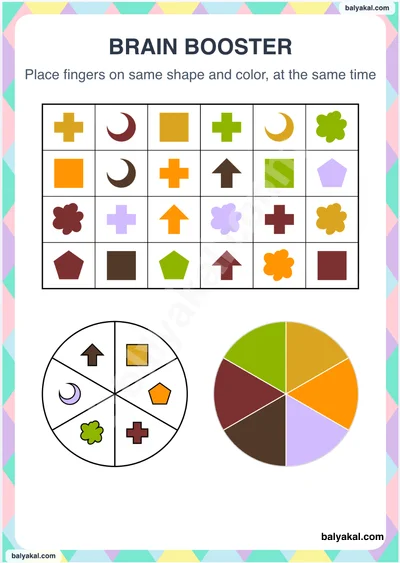
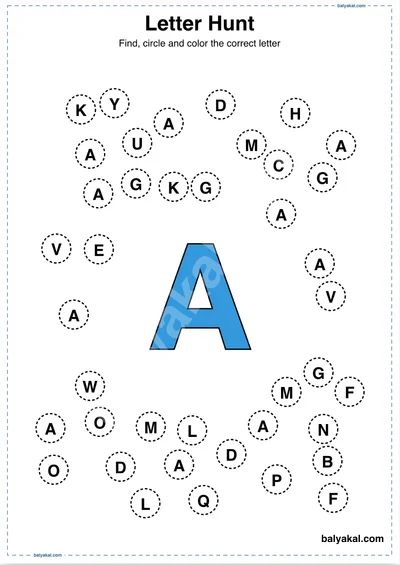
Geometry starts long before a child ever encounters formal school formulas or protractors. Recognizing flat 2D shapes, analyzing corner angles, matching outlines, and understanding how shapes fit together are critical visual processing steps for young learners. The Exploring Shapes category gives kids an interactive, hands-on way to explore foundational geometry through creative, randomized puzzle formats that keep the brain actively engaged.
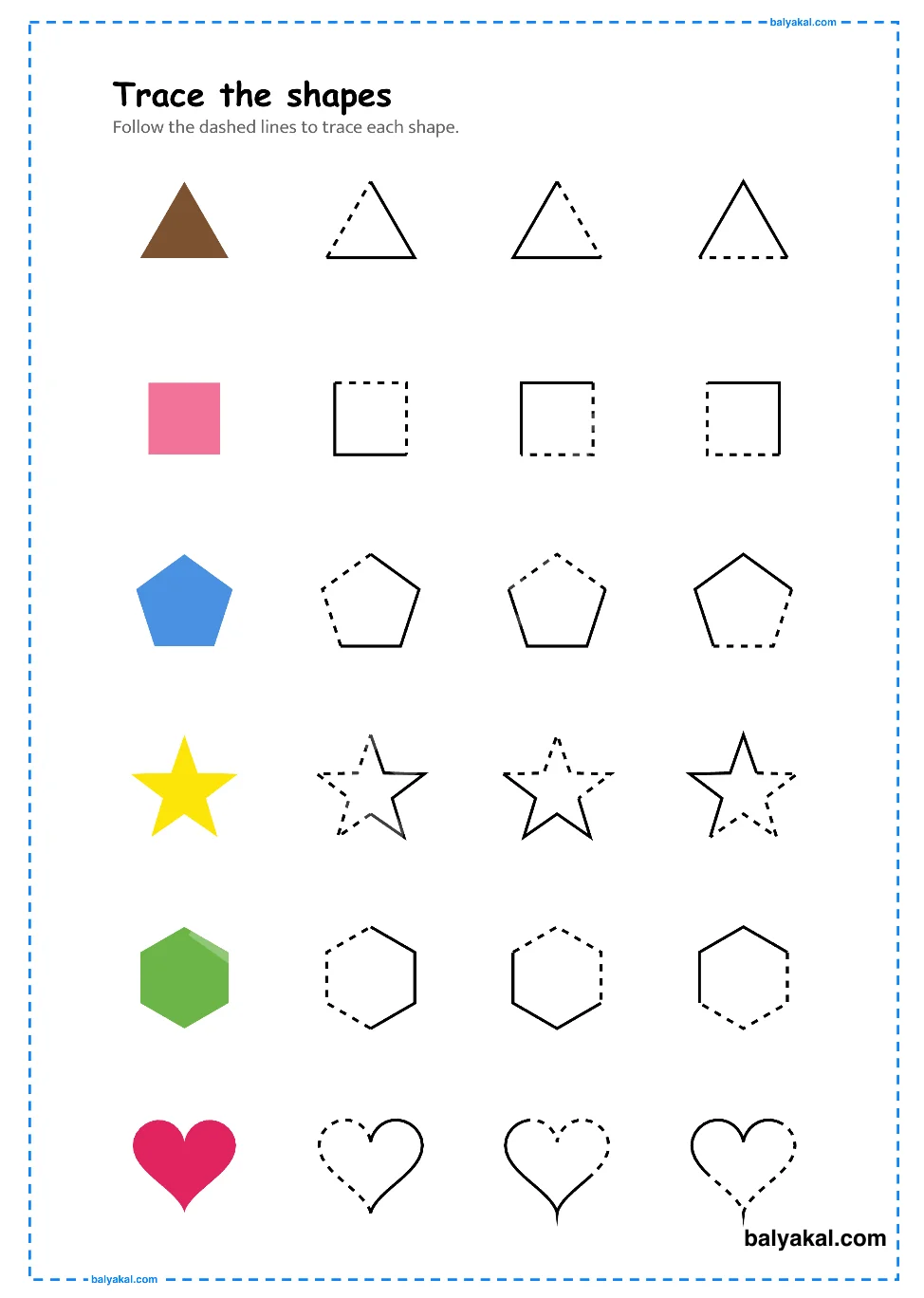
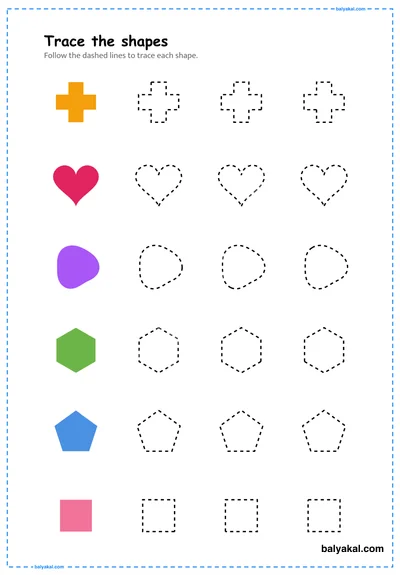
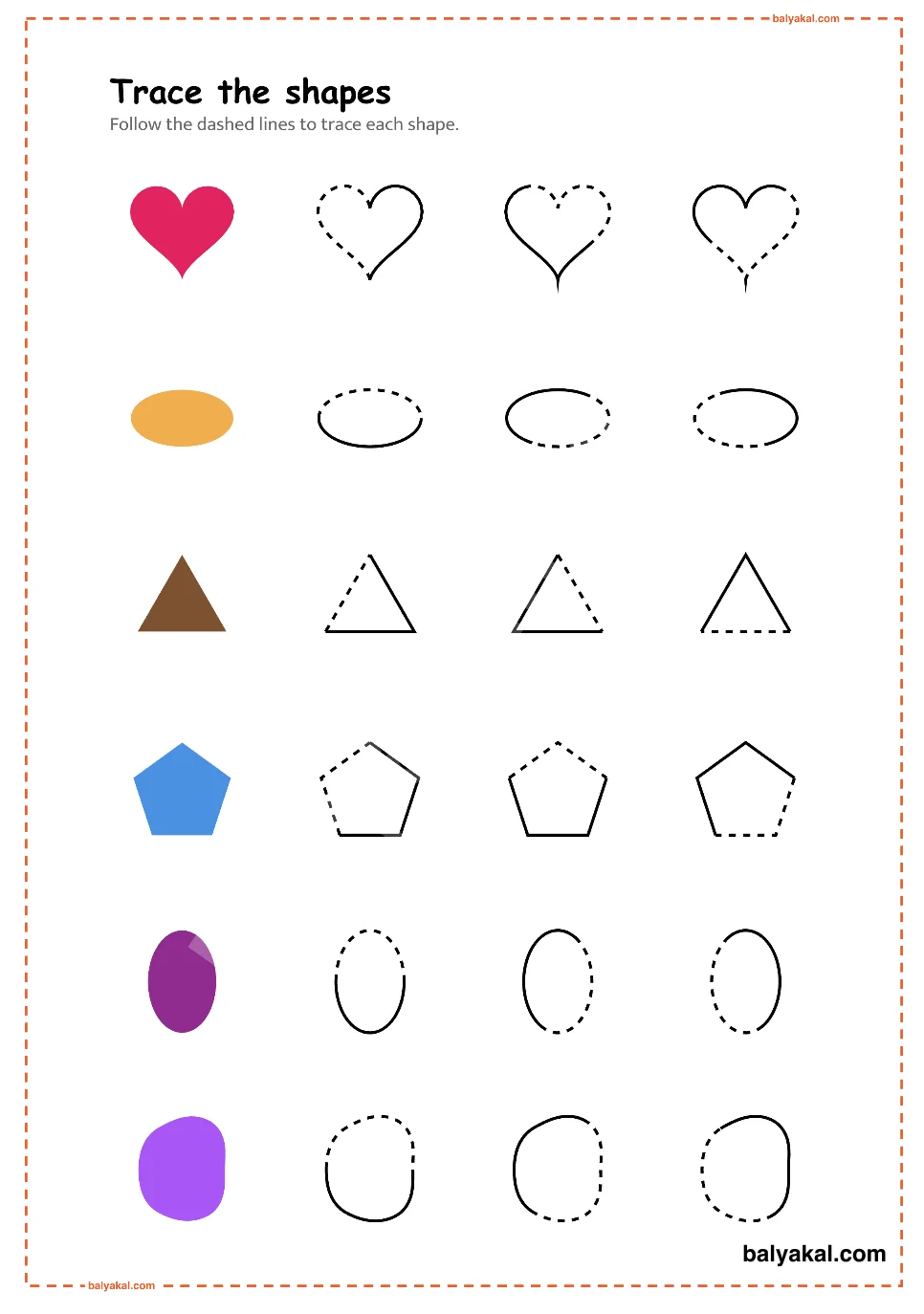
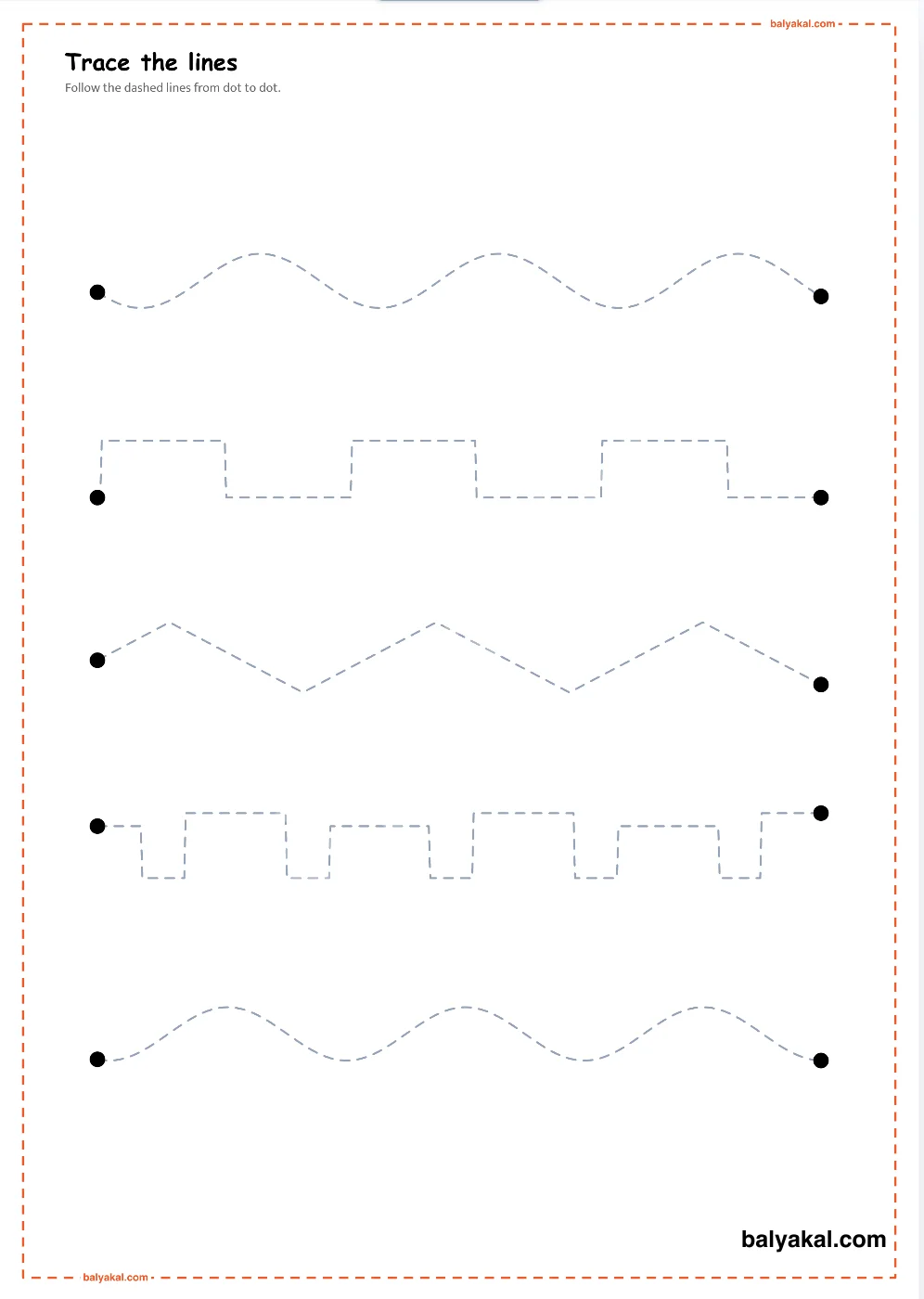
Understanding shapes is deeply connected to early literacy. When you break them down, letters are simply combinations of shapes—a circle and a straight line make a 'b' or a 'd', while intersecting diagonal lines make an 'x'. By mastering the identification and tracing of geometric figures, children are inadvertently practicing the exact visual and motor skills they need for alphabet mastery. Worksheets like Tracing Shapes allow you to control the difficulty, starting with heavily guided helper lines and progressing to minimal dots as the child's confidence grows.
Featured Geometric Worksheets & Concepts
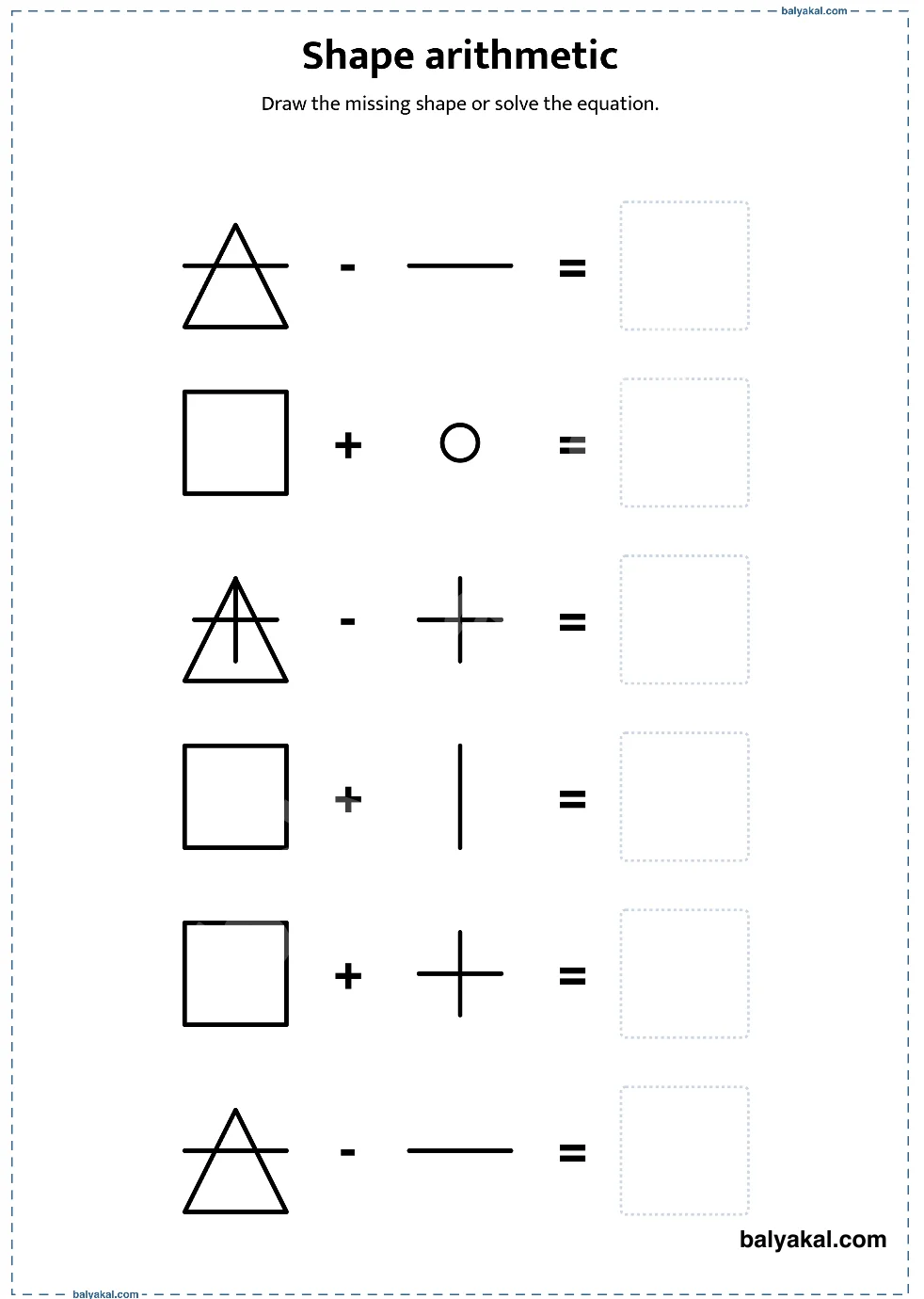
- Visual Geometry & Logic: Worksheets like Shape-Based Arithmetic are truly unique. They combine geometric outlines with visual math equations to teach part-whole relationships (e.g., a square plus a cross equals a window shape). This teaches children to decompose and compose shapes without relying on written numbers.
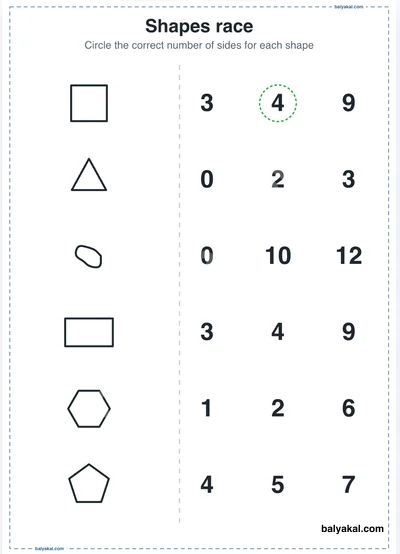
- Attribute Tracking & Edge Counting: Printables like Shape sides count help kids study the specific properties of polygons. By physically touching and counting the straight edges of a triangle or hexagon, they move beyond rote memorization of shape names into actual geometric analysis.
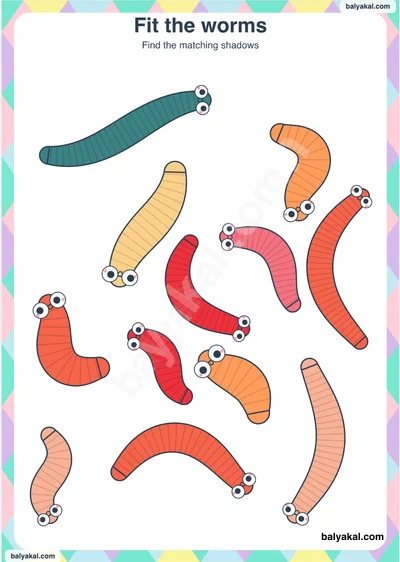
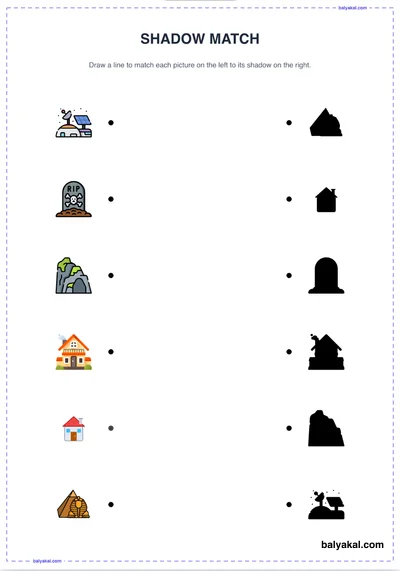
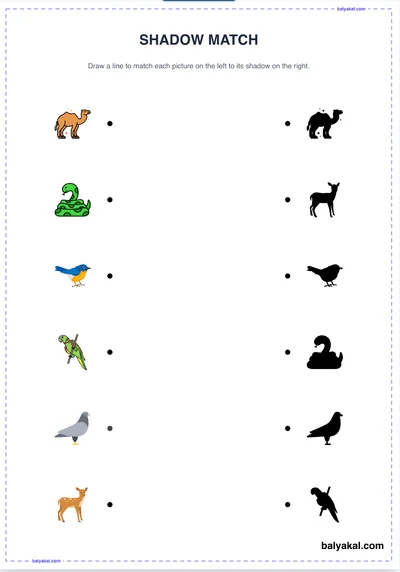
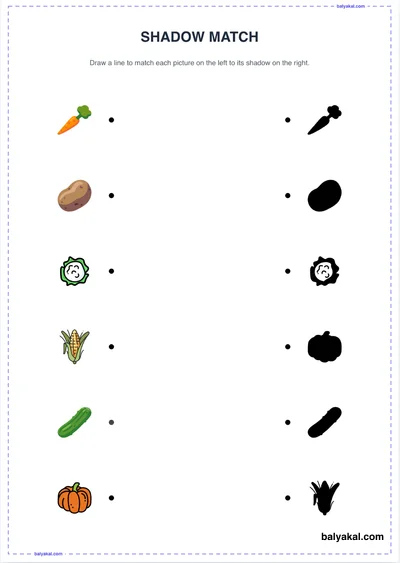
- Shadow & Alignment Puzzles: Tools like the Shadow Matching Game deeply refine spatial perception. Children must look at the overall silhouette of an object and match it to a solid black outline, forcing their brains to process negative space and overall contours rather than relying on interior colors.
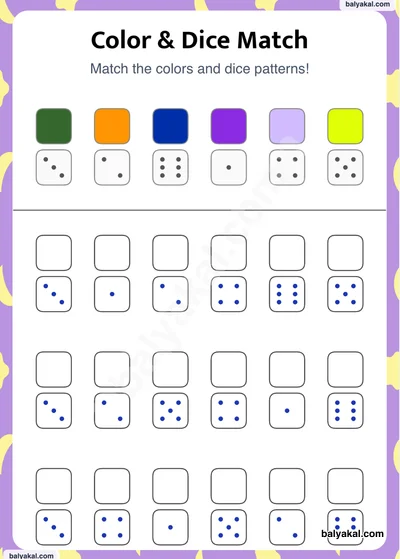
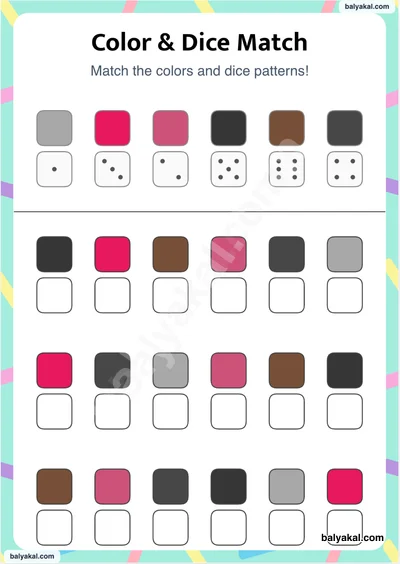
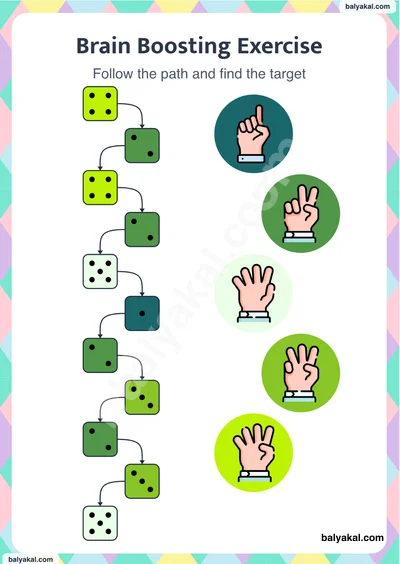
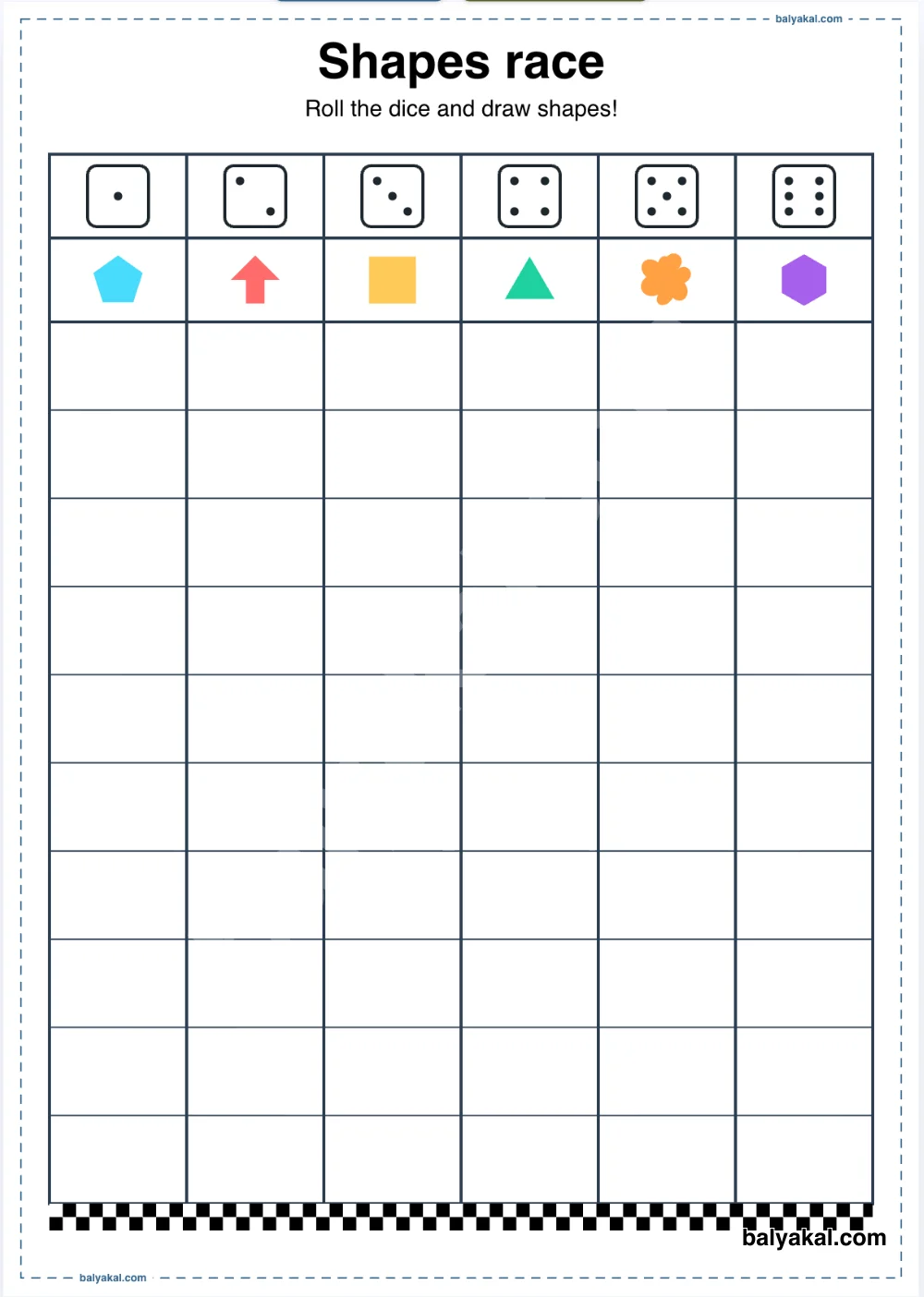
- Action-Oriented Drawing: The Shape race worksheet gamifies drawing. By rolling a die and drawing the corresponding shape on a grid, children practice subitizing, graphing, and free-hand shape drawing all in one fast-paced, highly engaging activity.
By consistently practicing with these varied, multi-sensory shape worksheets, children develop a remarkably strong intuitive grasp of geometry, symmetry, and spatial orientation, setting them up for success in both art and advanced mathematics.