English Alphabets
Introduce English letters from A to Z with dynamic tracing, sequencing, and recognition activities to kickstart early reading.
Unlocking the alphabet is the absolute cornerstone of early reading, spelling, and language expression. Before a child can blend phonics or sight-read words, they must be able to instantly and accurately recognize the 26 letters of the English alphabet. The English Alphabets worksheet collection moves beyond rote recitation of the ABCs, helping children recognize, write, and confidently identify letters through playful, active, and highly customizable puzzle formats.
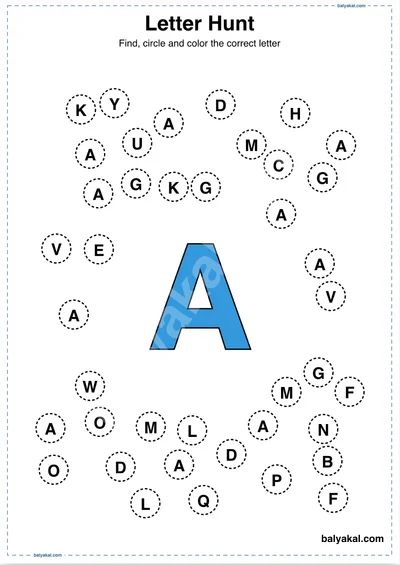
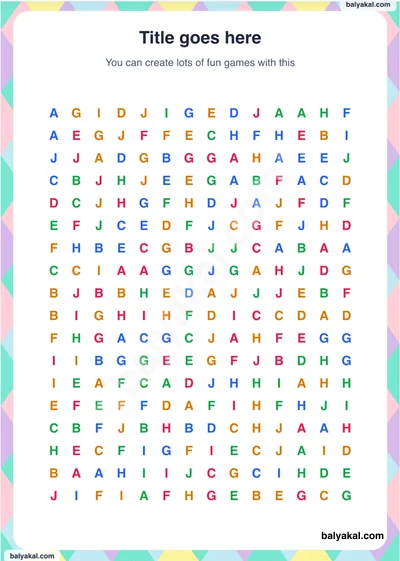
Visual discrimination is heavily tested when learning the alphabet. To a young child, the letters 'p', 'q', 'b', and 'd' all look like a circle attached to a stick. Activities that force the child to actively scan for and identify specific letters in a crowded field are essential for solidifying these subtle differences in their brain. Tools like the Letter Hunt and the Random Character Grid are specifically engineered for this exact purpose, turning letter recognition into a thrilling detective game.
Creative & Engaging Literacy Tools
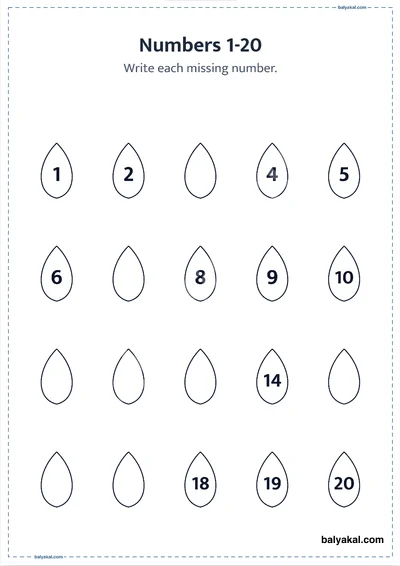
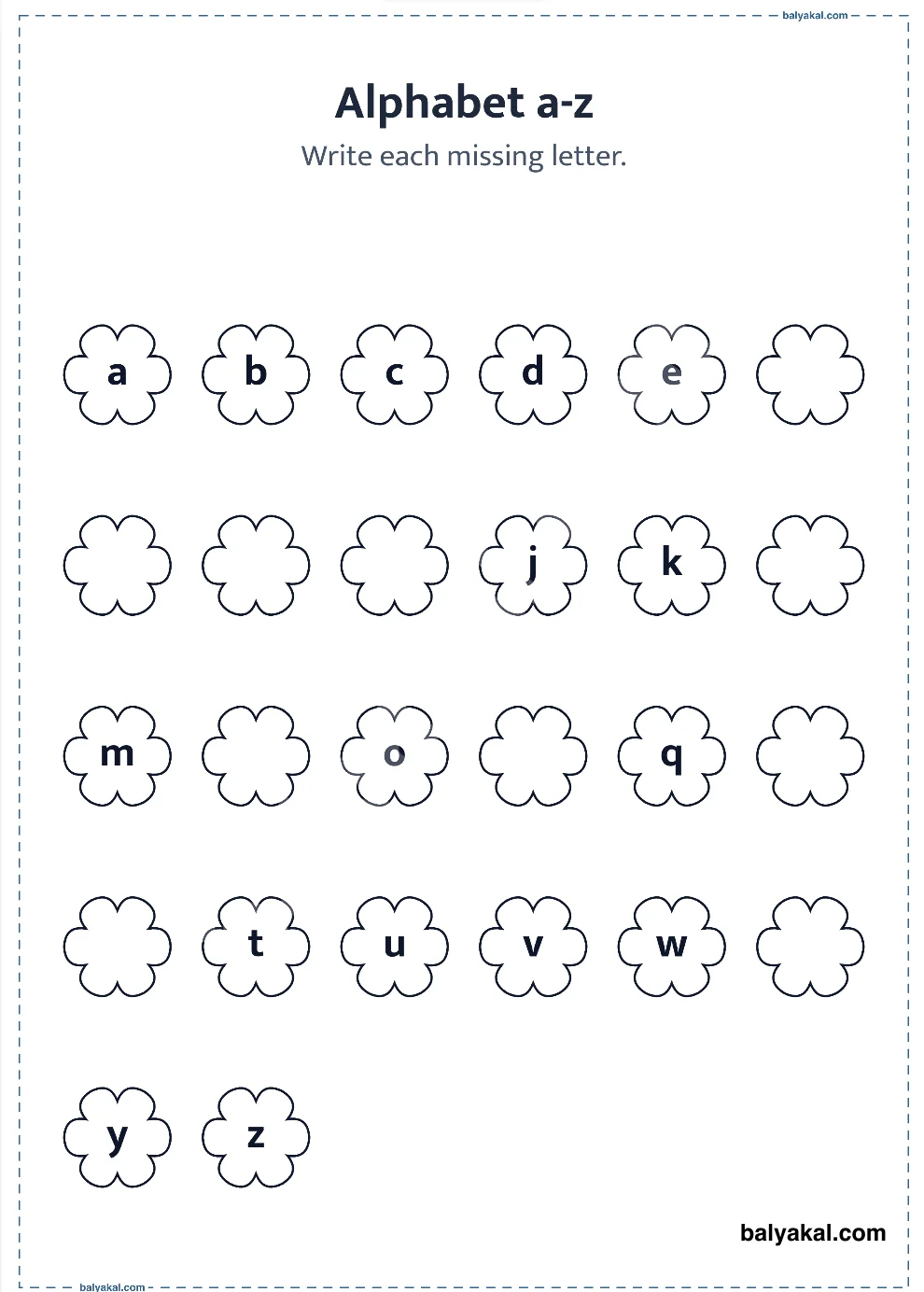
- Alphabetical Sequence Practice: Generative sheets like Missing English Alphabets help children practice the correct alphabetical order. By filling in missing letter circles in a sequence (e.g., A, B, _, D, E), children build a mental map of the alphabet, which is crucial for later dictionary skills and alphabetical sorting. You can customize the missing percentage to adjust the difficulty.
- Visual Letter Searches: Printable games like Letter Hunt train young eyes to spot specific letter shapes quickly among distractors. This builds the visual tracking stamina required for reading across a full sentence later on.
- Customizable Grids: The Random Character Grid tool allows teachers to generate custom matrices of uppercase or lowercase letters. You can instruct students to "Highlight all the vowels" or "Find the letters in your name," providing limitless utility for tailored lesson plans.
- Bridging Writing and Reading: By combining sequence filling with active hunting, these worksheets ensure that children aren't just memorizing a song, but are genuinely internalizing the physical shape and sequential context of every English letter.
These varied, generative letter exercises ensure that early phonics and spelling practice remain fresh, exciting, and highly relevant. By preventing rote memorization through randomization, these tools help young learners build essential reading readiness skills with absolute confidence.