Learning Numbers
Introduce numerical digits and basic arithmetic concepts to build a rock-solid mathematical foundation.
Developing strong early math confidence depends on mastering number recognition, sequential counting, and basic subitizing (the ability to instantly recognize the number of objects in a small group without counting them one by one). Our Learning Numbers category turns abstract numerical symbols into clear, visual, and highly interactive activities that young learners can understand, manipulate, and practice with absolute confidence.
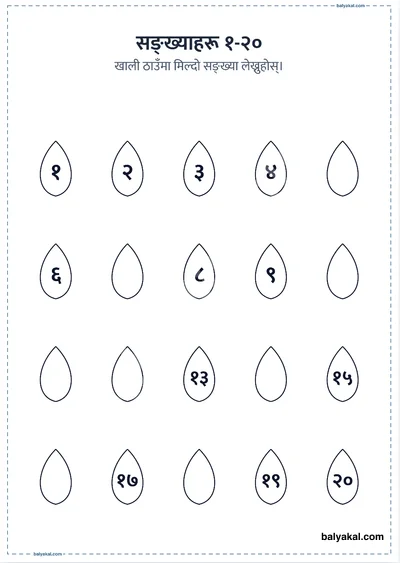
Mathematics can sometimes feel intimidating for young children if introduced purely through rote memorization. We bypass this by integrating numbers into playful puzzles and games. For instance, the Count the Objects worksheet grounds numbers in reality, showing that "4" isn't just a squiggly line, but represents four tangible items like apples or stars. Furthermore, our platform embraces diversity in learning by offering multilingual mathematical support. We provide specific generators for Missing Nepali Numbers (०-९) and the Nepali Numbers Maze Adventure, ensuring that children can build numerical fluency in both English and Devanagari numerals simultaneously.
Comprehensive Numerical Practice & Skill Building
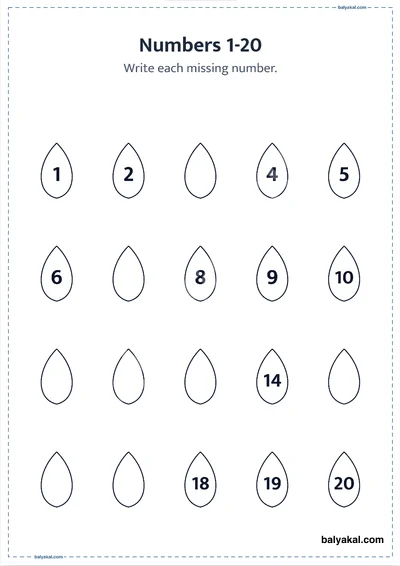
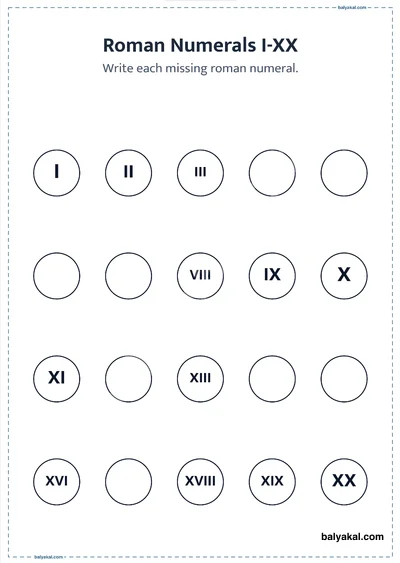
- Sequence Completion & Number Lines: Worksheets like Fill in the Missing Numbers encourage kids to identify numerical gaps within a sequence. This is the foundational logic required for addition and subtraction. We also offer Missing Roman Numerals for advanced learners looking to understand different numerical systems.
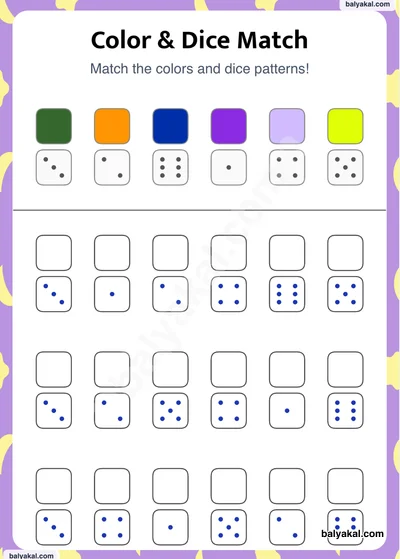
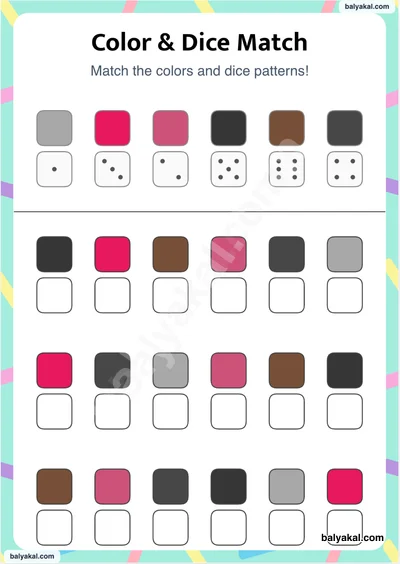
- Subitizing & Probability Basics: The Learn to count dice faces (Color & Dice) worksheet is incredibly powerful. It links visual dot patterns directly to numerical concepts. Rolling dice and graphing the results builds early math agility, probability awareness, and rapid visual counting skills.
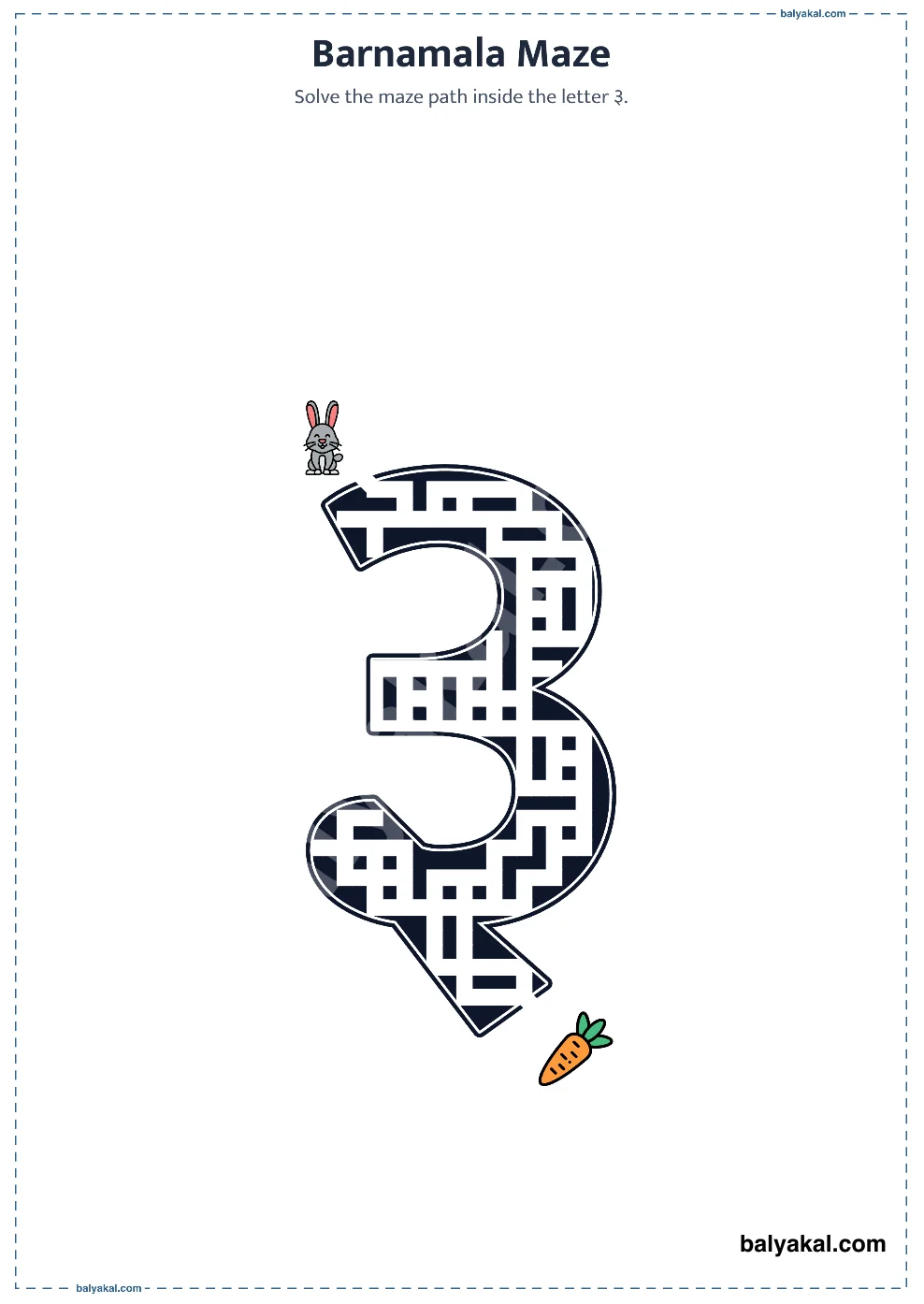
- Gamified Number Navigation: The Nepali Numbers Maze Adventure turns number sequencing into a thrilling escape game. Children must draw a path connecting numbers in the correct order to solve the labyrinth, seamlessly blending fine motor line-drawing with numerical sequencing.
- Bilingual Math Foundations: By offering customizable ranges and languages, teachers can specifically target areas where a child might be struggling, such as the tricky transition from 19 to 20, or learning to write Nepali digits correctly.
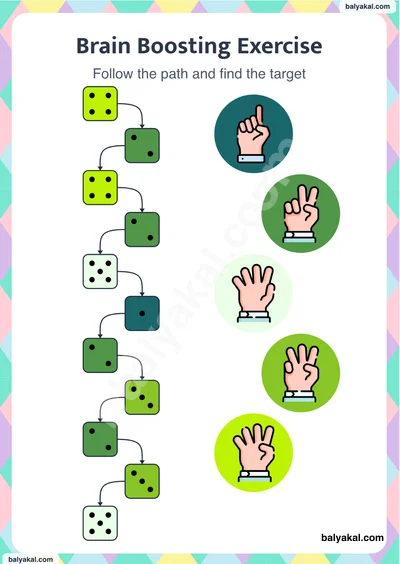
These step-by-step activities guide children smoothly from basic counting to numerical ordering and part-whole relationships. By consistently engaging with these generated worksheets, children develop a deep, intuitive sense of numbers, giving them a monumental advantage and a strong foundation for future, more complex classroom mathematics.